
Pet Loss & Grief Therapy for Adults in Oregon and Colorado
Online Pet Loss & Grief Therapy for Adults in Oregon and Colorado.
When losing an animal means losing a part of your heart
The loss of a beloved animal companion can be one of the most profound and painful experiences of our lives. For many of us, animals are not simply pets. They are family members, companions, sources of comfort, and sometimes our most secure and meaningful attachment relationships.
Animals offer us something uniquely precious: a relationship often free from judgment and the complicated dynamics of human relationships. They can provide emotional safety, companionship, acceptance, and unconditional love. For individuals who have experienced trauma, loneliness, or difficult human relationships, the bond with an animal can represent an especially powerful source of security and connection.
When that bond is broken by death, the grief can be overwhelming. Yet pet loss is often misunderstood or minimized by society. People may hear comments such as “It was just a pet” or feel pressured to move on before they are ready.
But grief is not measured by species. It is measured by love, attachment, and the significance of the relationship.
My personal connection to animal loss
I grew up surrounded by animals, and they have always held a special place in my heart. Today, I share my life with a cat and parrots, and I understand firsthand the depth of the relationships we can develop with our animal companions.
I have also experienced the devastating loss of two parrots whom I considered my soulmates. Their loss profoundly affected me and deepened my understanding of a grief that can be difficult to put into words.
Through these experiences, I have come to recognize how unique animal loss can be. Unlike many human relationships, our connections with animals can provide a profound sense of emotional safety, secure attachment, and unconditional love. Losing that relationship can mean losing not only a beloved companion but also a source of comfort, stability, and belonging.
I understand that this grief deserves to be acknowledged, respected, and supported, without comparison to human loss or expectations about how long mourning should last.
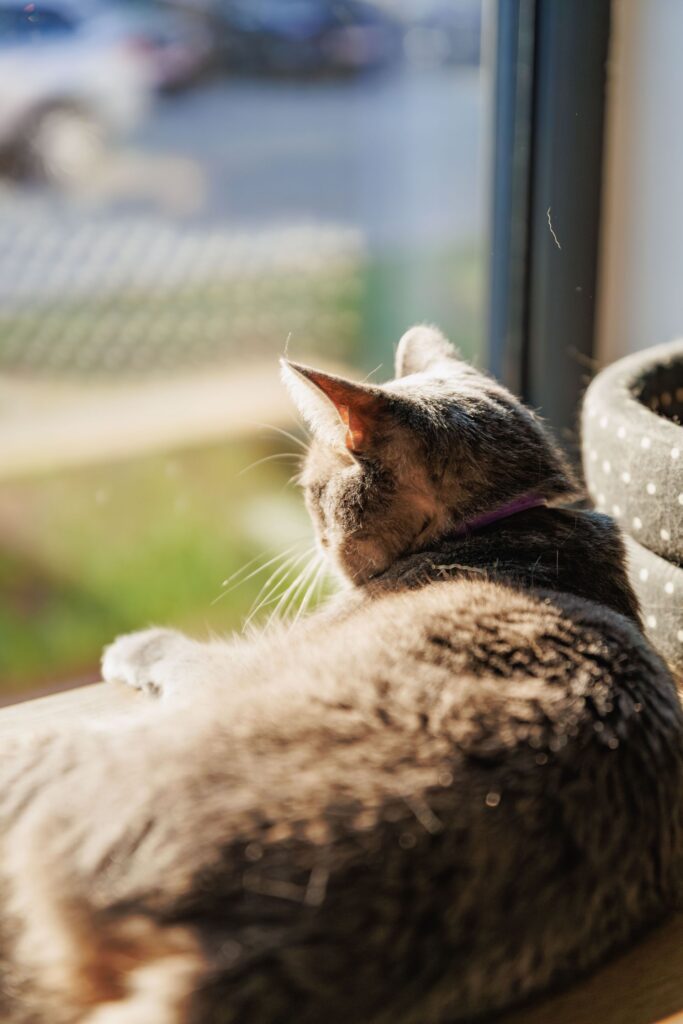
Anticipatory grief: when you know goodbye is coming
Grief does not always begin with death. Sometimes, it begins when we learn that our beloved companion is aging, seriously ill, or approaching the end of their life.
Anticipatory grief can involve profound sadness, anxiety, helplessness, and the painful awareness that our time together is limited. Caring for an animal with chronic illness can also bring emotional exhaustion, financial stress, and the constant fear of losing them.
One of the most difficult aspects of this experience can be making end-of-life decisions, particularly when euthanasia is being considered. Even when decisions are made with love and compassion, feelings of guilt, doubt, and responsibility may persist.
Therapy can provide a safe, nonjudgmental space to explore these emotions, navigate uncertainty, and find ways to remain emotionally present with your companion during the time you still share.
How therapy can help
Pet loss grief can involve deep sadness, guilt, anger, loneliness, and sometimes traumatic memories, particularly when an animal has experienced illness, suffering, or an unexpected death.
Therapy offers a compassionate space to process these emotions, explore the meaning of your relationship, and navigate the changes that follow the loss.
My approach integrates grief counseling, attachment-focused work, and trauma-informed modalities when appropriate.
The goal of therapy is not to forget your beloved companion or simply move on, but to find a way to carry that love and connection forward while learning to live with the loss.
Your grief is valid. Your bond mattered. And the love you shared does not disappear with death.
An integrative, individualized approach to therapy
My person-centered approach combines psychodynamic understanding (including inner child work), Dialectical Behavior Therapy (DBT)-informed skills, and evidence-informed trauma-focused and somatic therapies.
Depending on your needs, our work may incorporate EMDR, Attachment based EMDR, Flash EMDR, Accelerated Resolution Therapy (ART), Brainspotting, Internal Family Systems (IFS)-informed parts work, and somatic approaches such as Somatic Experiencing, Hakomi Therapy and EFT (Emotional Freedom Technique, Tapping).
Together, we explore both the underlying emotional patterns and the present-day difficulties affecting your well-being, tailoring therapy to your experiences, goals, and pace.
Questions.
Is pet loss and grief therapy available online?
Yes. All sessions are online, by secure video, so you can join from a space where you feel comfortable.
Can I use insurance?
Yes. In Oregon, I am in-network with UnitedHealthcare, Moda Health and Aetna. In Colorado, I currently accept UnitedHealthcare (UHC) only. See fees and insurance.
Related pages.
Reach out to begin
When you are ready, email me at therapy@manacounseling.net or use the contact page. I look forward to connecting with you and supporting you on your healing journey.