Unlock Healing with Somatic Modalities
At Mana Counseling, we invite you to discover the transformative power of somatic modalities. These innovative therapeutic approaches focus on the connection between the mind and body, enhancing your healing journey. By emphasizing body awareness, we integrate physical sensations into the therapeutic process, addressing emotional and psychological well-being holistically.

Understanding Somatic Modalities
Why Body Awareness Matters
Somatic modalities are approaches that recognize the significant role our bodies play in shaping our thoughts and feelings. By becoming attuned to bodily sensations, we can uncover deeper insights and enhance emotional resilience. At Mana Counseling, I utilize these techniques to help clients reconnect with their physical selves, fostering a sense of safety and empowerment.

Holistic Healing Practices
Integrating Mind and Body
My holistic approach to therapy focuses on integrating the mind and body, creating a harmonious balance that promotes healing. Through practices such as mindfulness, breathwork, and movement, clients learn to acknowledge and release stored tensions, facilitating emotional release and further personal growth.

Personalized Therapeutic Strategies
Tailored for Your Needs
At Mana Counseling, we recognize that every client is unique. I work collaboratively with you to develop personalized therapeutic strategies that incorporate somatic modalities, ensuring your healing experience is both relevant and impactful. Together, we navigate your emotional landscape while also honoring your physical experiences.

Transformative Outcomes
Achieving Emotional Resilience
The ultimate goal of integrating somatic modalities into therapy is to achieve lasting emotional resilience. Clients often report increased self-awareness, better stress management, and improved relationships as they engage with their bodies in therapeutic settings. At Mana Counseling each client's progress on their journey to holistic well-being.
Understanding Polyvagal Theory: A Path to Healing
At Mana Counseling, we delve into the nuances of Polyvagal Theory, a groundbreaking framework developed by Dr. Stephen Porges that emphasizes the relationship between our autonomic nervous system and emotional regulation. This theory plays a critical role in therapeutic practices, offering insights into how our physiological states influence feelings of safety and connection, essential components for effective healing. By integrating this understanding into our counseling approach, we strive to create an environment where clients can feel secure and supported on their journey toward deeper emotional wellness.
The Science Behind Connection
How Polyvagal Theory Works
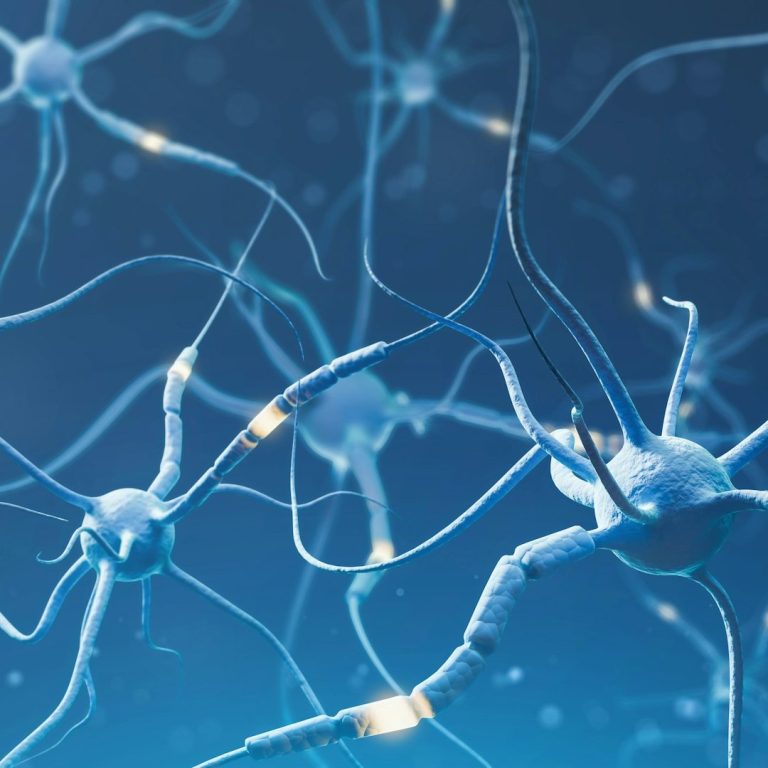
Polyvagal Theory posits that our nervous system has a hierarchical structure, influencing our behavioral responses to stress and social interactions. At its core, the theory identifies three primary states: the ventral vagal state, which promotes feelings of safety and social engagement; the sympathetic state, associated with fight-or-flight responses; and the dorsal vagal state, linked to withdrawal or shutdown. Understanding these states allows us to tailor our therapeutic approaches, ensuring that clients can move toward a state of safety and connection.

Creating Safety Through Awareness
The Role of Safety in Therapy
In therapy, establishing a sense of safety is paramount. Polyvagal Theory teaches us that when clients feel threatened or unsafe, it can inhibit their ability to engage with the therapeutic process. By recognizing and addressing the physiological cues that signal safety or danger within clients, therapists can foster a more supportive therapeutic environment. This awareness not only enhances trust but also empowers clients to explore their emotions and experiences more freely.
Activation and Regulation
Navigating Emotional States
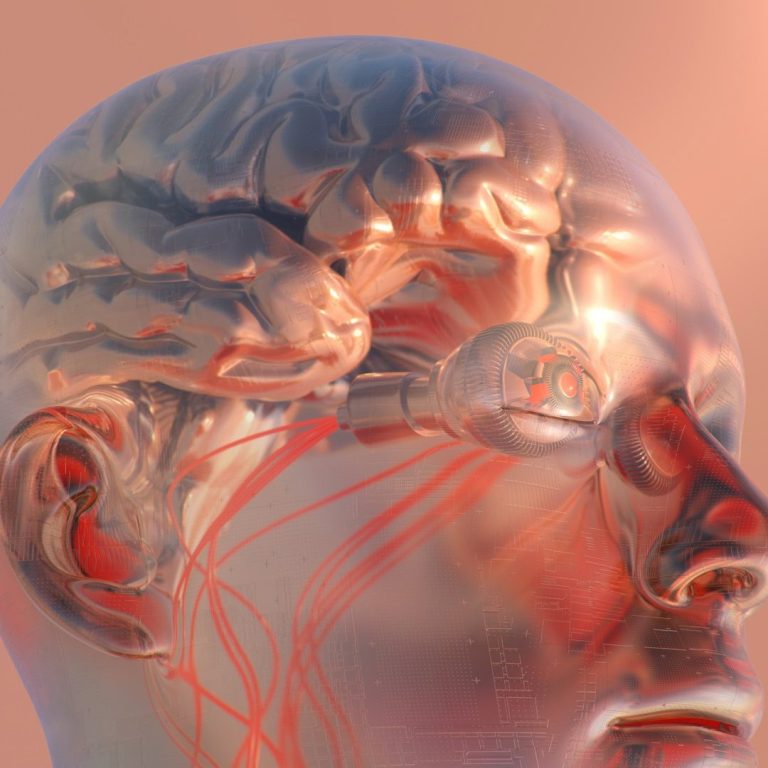
Utilizing the principles of Polyvagal Theory, I work with clients to identify their unique emotional triggers and responses. By understanding how the autonomic nervous system reacts to various stimuli, clients learn to recognize when they are in sympathetic or dorsal states and can employ strategies to return to a ventral state. This empowers them to manage anxiety, stress, and emotional dysregulation more effectively, leading to improved mental health outcomes.

Deepening the Therapeutic Relationship
Fostering Connection in Counseling
A fundamental aspect of successful therapy is the relationship between therapist and client. Polyvagal Theory elucidates how this connection impacts emotional healing. By creating a safe space where clients feel heard and understood, vulnerability and openness are encouraged. The more aligned the therapist and client are in understanding their nervous system states, the more profound the healing experience can become, paving the way for lasting change.